Preston City Council will introduce weekly food waste collections across the city from April 2026.
This is another significant step towards creating a greener, cleaner Preston.
The rollout supports the UK Government's 'Simpler Recycling' legislation, designed to boost recycling rates and reduce greenhouse gas emissions.
Food waste is responsible for approximately 8-10 per cent of global manmade greenhouse gas emissions, making recycling food a simple, easy, yet effective way to protect the environment.
Councillor Freddie Bailey, Cabinet Member for Environment and Community Safety on Preston City Council, has been talking about the changes.
"We are pleased to introduce Preston's new weekly food waste collection service," said Councillor Bailey.
"Our team have been working really hard to make recycling food waste simple and convenient for residents which in turn will help reduce the amount of waste being sent to disposal sites.
"Everyone has unavoidable food waste, such as eggshells, tea bags or banana skins. This service not only helps households recycle more but also keeps general waste bins cleaner and less full. It's a little change to our daily routines that can make a big difference to the planet."
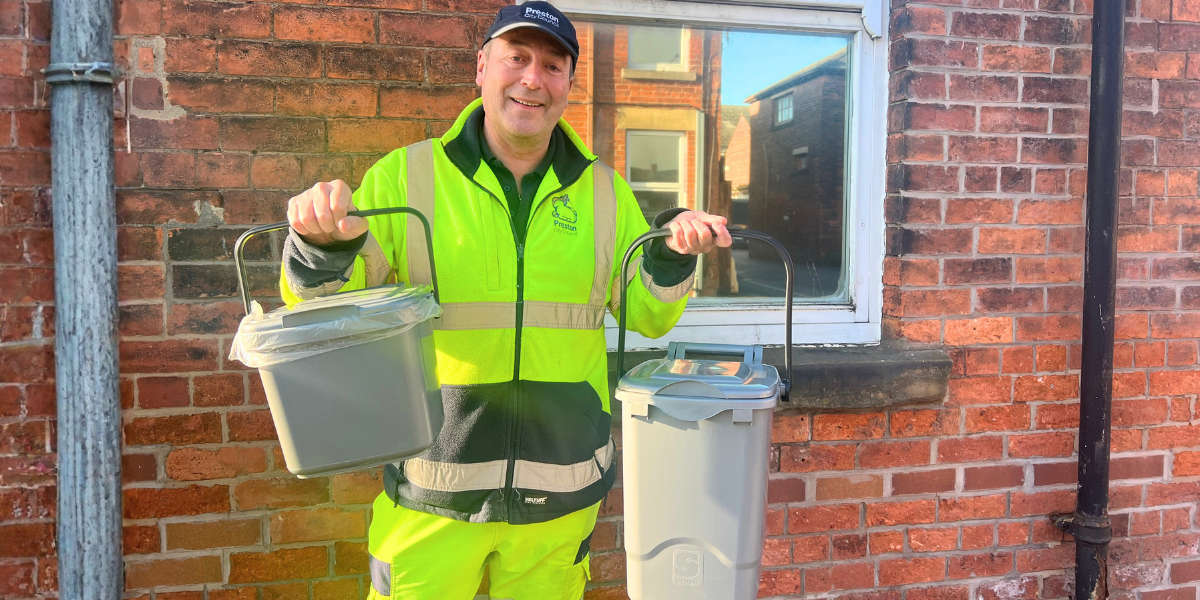
All households have begun to receive a kitchen caddy, a roll of liners, and a new outdoor food waste caddy from February 23.
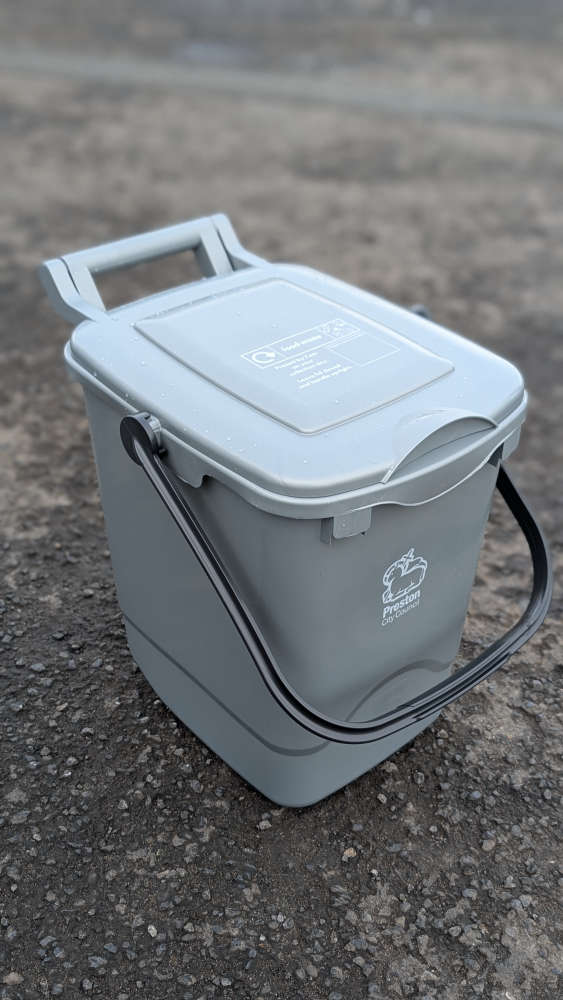
Residents will receive these over a seven-week period so caddies might not be delivered until March or April.
Each caddy will include a helpful information leaflet outlining what can and cannot be placed inside, along with simple instructions on how to use the service.
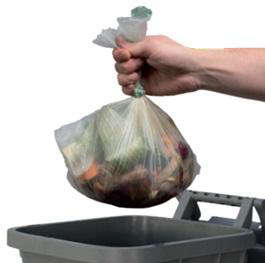
Using the new caddies is easy. Residents simply empty any food waste they have, such as plate scrapings, peelings and tea bags into their kitchen caddy.
Once the liner is full, it can be transferred to the outdoor food waste bin for collection.
The first phase of the rollout will focus on residential properties with kerbs and driveways.
A second phase, extending to flats, pink-bag households and properties with shared or communal arrangements, will follow later in 2026.
The council has been holding a series of community events this month to answer your questions about food waste recycling.
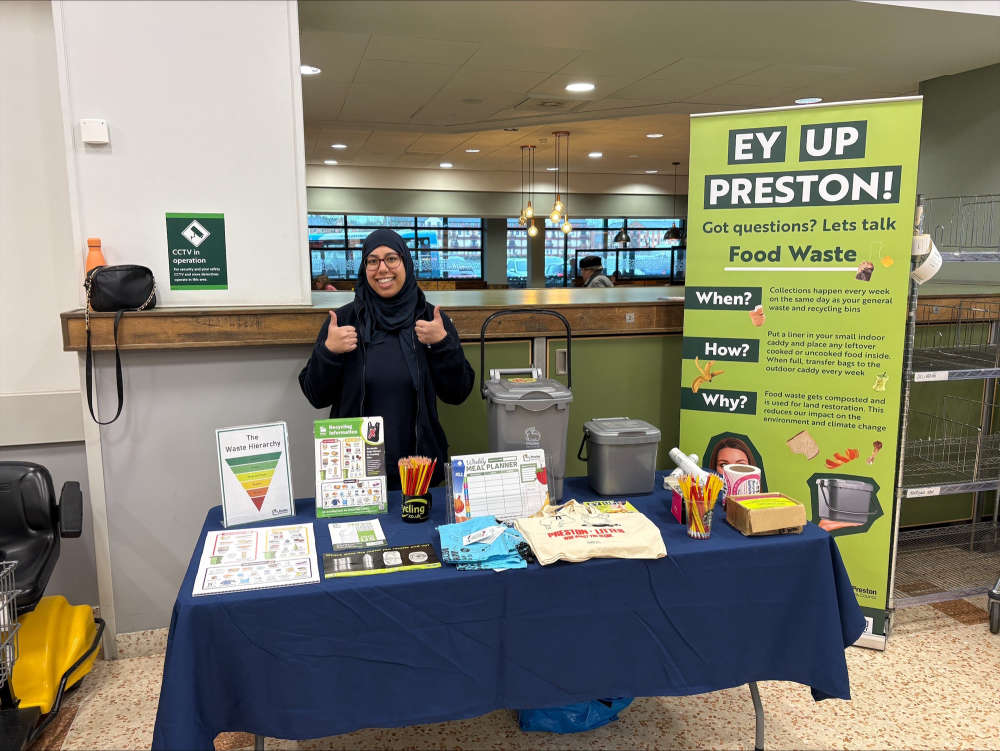
Frequently Asked Questions include:
When will my caddy be collected?
Your caddy will be emptied on a weekly basis, on the same days as your general waste and recycling bins.
Please note: your caddy collection will appear on the waste and recycling collection day look up tool once the food waste collection service begins on Monday April 20.
Please leave the caddy next to your bins by 7am and leave the handle upright for crews. The handle will lock your caddy lid.
Please note: if you usually place your bins in a back alley for collection, your caddy will need to be presented at the front edge of your property nearest the highway.
Write your house name or number on the top of the caddy in the box provided.
What can I put in my food waste caddy?
-
Vegetable peelings
-
Baked goods
-
Fruit
-
Rice, beans and pasta
-
Uneaten food/plate scrapings
-
Egg shells
-
Tea bags
-
Mouldy/out of date food
-
Coffee grounds
-
Raw and cooked meat/fish (including small bones)
-
Pet food
What can't I put in my food waste caddy?
-
Liquids (e.g. milk, juice)
-
Oil or liquid fat
-
Non-food products such as:
-
General waste
-
Food packaging (tubs, trays, foil etc)
-
Cutlery
-
Napkins, wipes or kitchen roll
-
Compostable/biodegradable packaging
-
Why should I recycle my food waste?
-
It's easy to do and collection is on the same day as your normal waste and recycling bins
-
You'll have more space in your normal waste bin
-
Your general bins will smell less as food waste will be collected every week
-
You'll notice your food waste more and it'll help you to think about things like planning meals, purchasing smaller quantities, batch cooking, freezing and gifting food. All this could save you money on your weekly shop!
-
Together with the rest of Preston residents, you're helping to reduce the amount of waste that is burnt locally, reducing emissions and providing composting to help the environment
What happens to food waste?
In the first instances, food waste will be dried, composted and made into a compost-like material for land restoration. Longer term, food waste will be taken to the anaerobic digestion facility at Farington Waste Recovery Park in Leyland, where it is broken down to produce biogas, a renewable energy source used to generate electricity. The process also creates a nutrient rich digestate, which can be used by farmers as an effective organic fertiliser.
Find out answers to other Frequently Asked Questions and more about food waste recycling HERE.
*Preston City Council is an innovative and forward-looking authority, championing a pioneering city. The council is committed to delivering sustainable public services and developing long-term solutions that build community wealth and improve the quality of life for residents, businesses and visitors alike.
Its vision is of a fair and resilient economy in a culturally rich, healthy, clean and green city where everyone matters. At the heart of this is its commitment to Community Wealth Building - an approach that ensures the economic system generates shared prosperity and lasting benefits for the whole community.
 Blackburn Starbucks announces 50% off handcrafted drinks offer after £300k refurb
 Enjoy a night to remember at dazzling Regenerage charity ball