
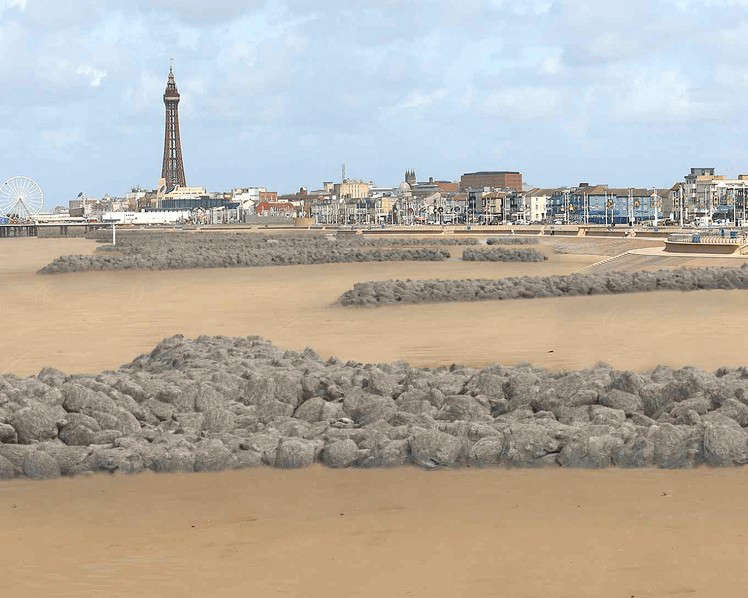
The RNLI have raised serious safety concerns and are formally objecting to plans to include rock groynes on Blackpool’s beaches as part of a major coastal protection scheme.
The proposed Blackpool Beach Management scheme is a £57m investment in the town’s coastal defences, which aims to protect homes and businesses from flooding and preserve the resort’s golden sandy beaches for future generations.
Amidst a warning that the sands could be lost forever if not protected, the application seeks planning permission for the installation of 17 groynes, with associated structures and periodic beach recharge works.
But last month. Cllr Gerard Walsh voiced concerns that the rock strucures were not safe, citing serious incidents elsewhere in which children had become trapped in the rocks, including a tragic drowning.
Blackpool Council, which is driving the scheme with funding from the Environment Agency and delivery by Balfour Beatty, argues that the groynes are the most effective way to prevent coastal erosion.
Now Blackpool RNLI, who provide vital lifesaving support to people in difficulties in the sea, have submitted a formal objection to the planning application.
They say: “The RNLI are unable to support the application. It is considered that the installation of rock groynes in this location, which is heavily populated by millions of tourists each year – many of whom have little or no knowledge or understanding of the sea – will introduce a level of risk to public safety that cannot be adequately mitigated.
“The proposed works are substantial and permanent. Once installed there is little to no likelihood that the groynes would ever be removed.
“It is therefore incumbent upon the Council to ensure, from the outset, that the impact of the development on public safety is fully assessed and risk mitigated as far as reasonably possible from the outset.
“It appears that no such assessment has been undertaken. The negative impacts arising from the scheme have not been adequately assessed, nor any material mitigation proposed.
“Despite making our issues and concerns clear in previous group and individual consultation meetings, there has been a failure by the Council since July 2025 to follow up the engagement and consultation that was promised.
“The RNLI has particular concerns about uncontrolled public access to the groynes. It must be appreciated that recovering a person from such structures, even if they are not injured, presents considerable challenges for lifeboat crews and others, putting both crews and the lifeboats at risk.
The statement adds: ”The presence of the groynes will also impact a wide range of watercraft and other sea-related recreational users (e.g holiday visitors with jet ski’s, sailing dinghies, kayaking, sailboarding, wind surfing, kite surfing or cold water swimming.”
The RNLI says following impacts are likely to arise:
• Lack of local knowledge may result in collision with partially submerged elements in daylight and potentially the whole structure at night
• A significant reduction in space for safe vessel recovery to the beach due to the relatively close spacing of the groynes and the potential confusion of where gaps actually occur; not assisted by the irregular nature of each groyne
• Forcing users to go further out from the promenade into deeper water to undertake their activity
But a Blackpool Council spokesperson said: “The construction of rock groynes on the beach is vital for our sea defences. They are the most effective way to prevent coastal erosion.
“Once installed, members of the public should not climb on the rocks, and clear signage will be in place.
“Blackpool Council is committed to improving beach safety and we hope to work with partners, including our local RNLI services, to ensure beach users remain safe.
“We engaged a Master Mariner with extensive experience in training RNLI small boat crews to work with local rescue teams on best practice for sea rescue around rock groynes, and to identify appropriate safety mitigations. We hope Blackpool’s RNLI team will work with the Master Mariner to ensure all possible safety considerations are put in place.
“Rock groynes are used extensively across the UK and around the world to combat coastal erosion. They create headlands which trap and retain the natural onshore supply of sand, creating a sandy bay which is sheltered from wind, waves and tidal currents.
“The Blackpool Beach Management Scheme is essential for protecting more than 6,000 households and businesses from erosion and flooding, and for helping to preserve the beach for generations to come. Sand levels are falling significantly, and without urgent action the beach could be lost forever.”
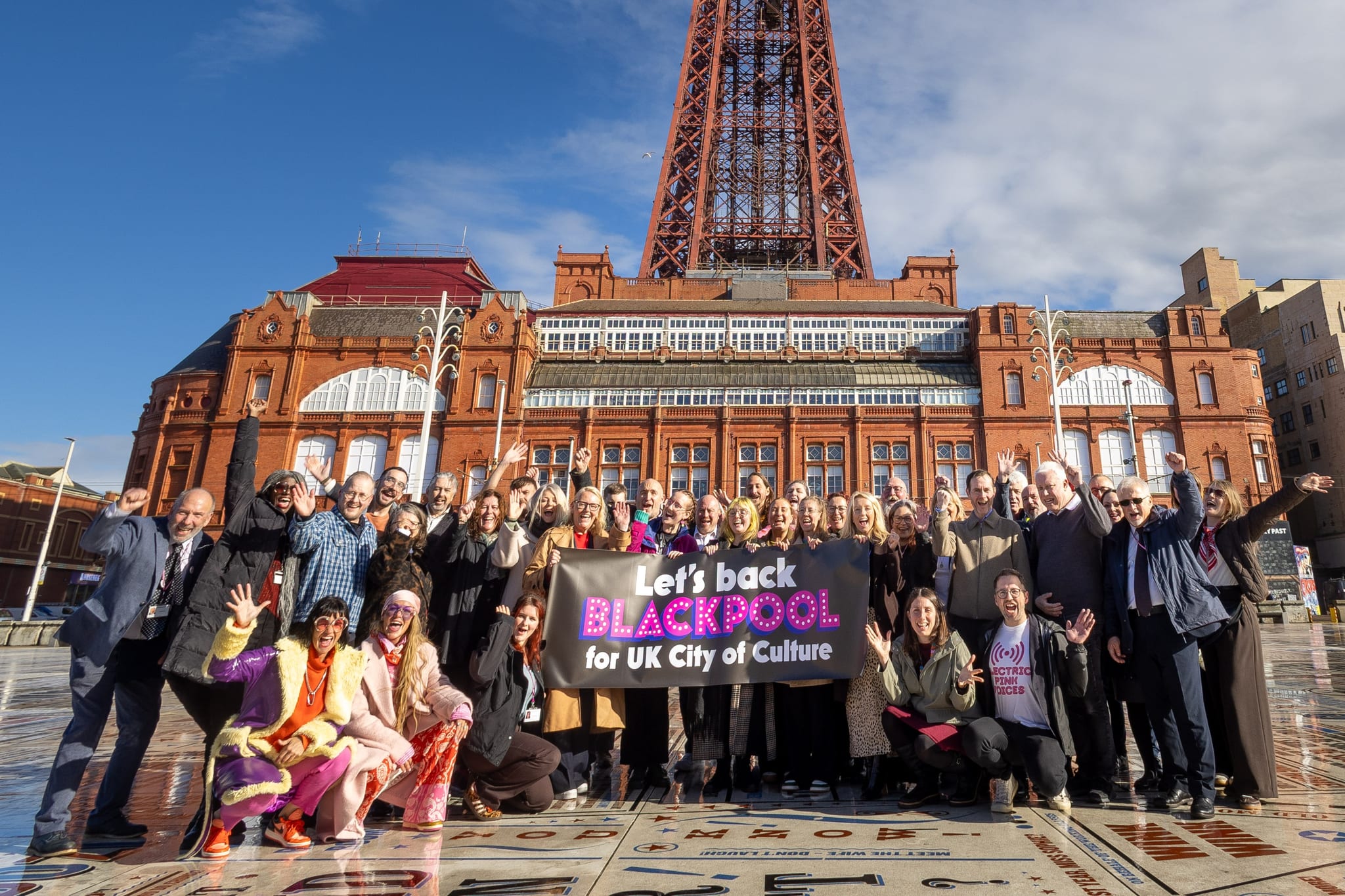 Blackpool in final four to be named UK City of Culture 2029
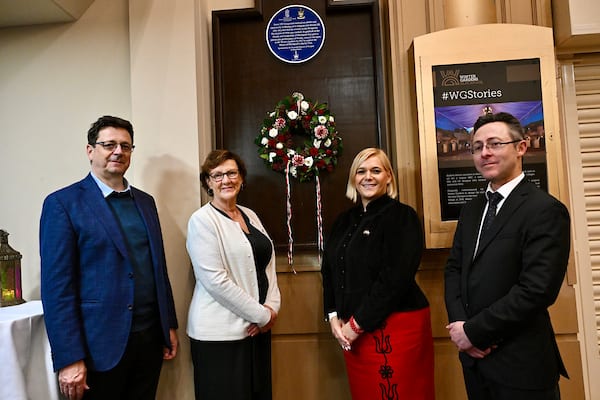 Commemorating Blackpool’s hospitality to Hungarian refugees 70 years on
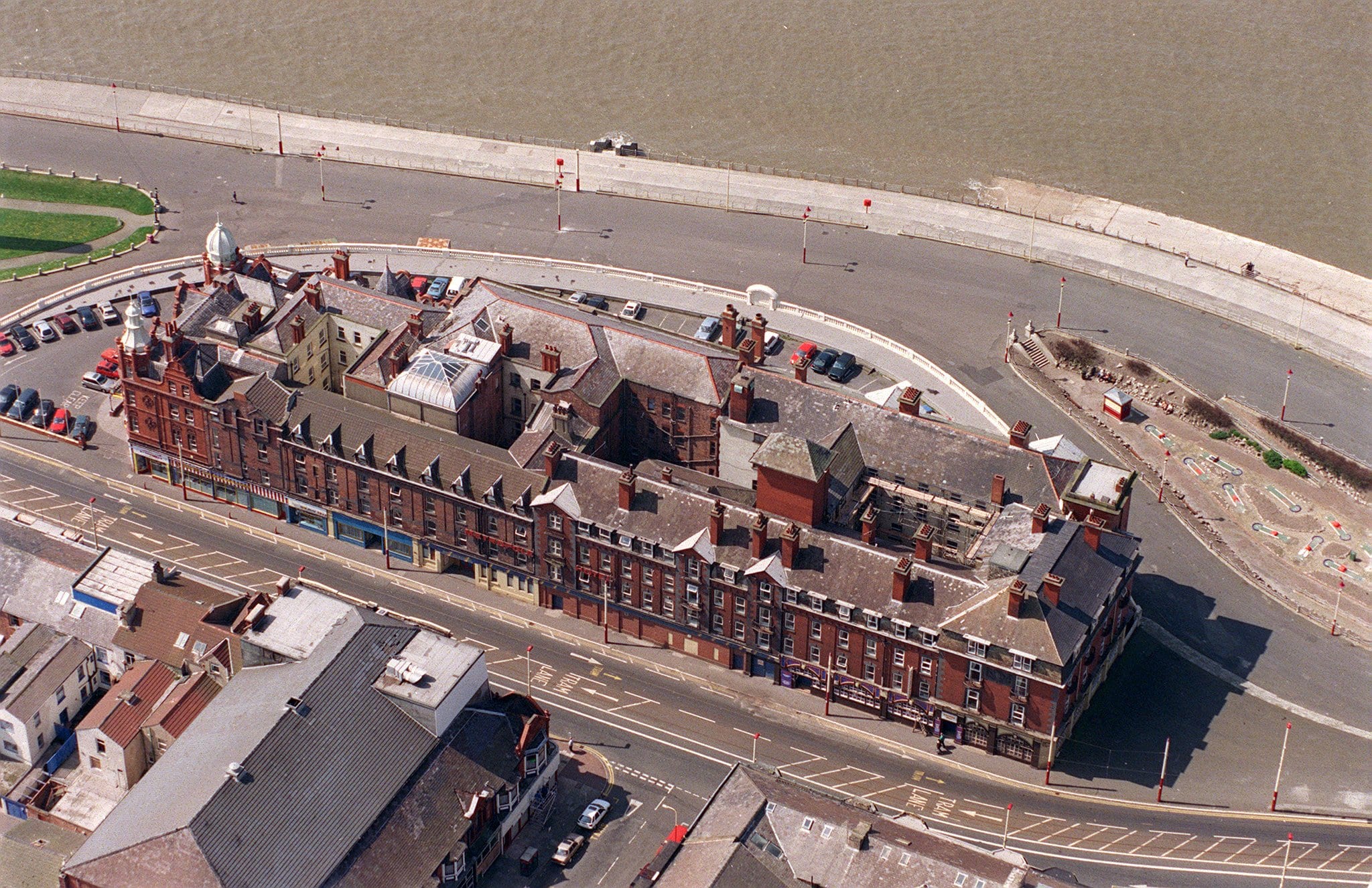 Metropole owners working ‘behind the scenes’ on plans for landmark hotel
 New police operation tackles misogyny in football
 Playground vandals getting away with it, says councillor after arson outrage
 ‘’I want to work with Blackpool Council to bring new community hub to old Abingdon St Post Office’’
 Council still in talks with final landlord on demolition terrace
 Major update on multi-million pound Yates Bar project on Blackpool promenade