A potentially life-saving stroke treatment will be available around the clock in Lancashire for the first time from next week.
The procedure – known as a thrombectomy – will be on offer 24 hours a day at the Royal Preston Hospital as of Monday (2nd February), the Local Democracy Reporting Service (LDRS) can reveal.
The site already operates as the comprehensive stroke centre for the whole of Lancashire and South Cumbria.
However, difficulties in recruiting the specialist staff needed to perform thrombectomies meant that a previous target date for the introduction of an evening and overnight service, in September 2024, was missed.
The treatment is suitable only for those strokes caused by a blood clot in an artery in the brain – and can benefit up to 15 percent of stroke patients. It not only improves their chances of survival, but reduces the risk of brain damage and can also help them retain more of their mobility than might otherwise have been the case.
Thrombectomy – which involves the physical removal of a clot – is most effective the sooner it is carried out after a stroke strikes, preferably within a few hours of a person being taken ill.
However, up until September 2023, it was available in Lancashire and South Cumbria only on weekdays and during daytime hours.
The service then began operating seven days a week – but still only between 8am and 6pm and dependent on staff availability – with an aim for it to go round the clock a year later, as part of a phased plan set out by the NHS in the region back in 2022. It has since been extended further until 10pm – with the last patient being accepted at 8pm – but the 24/7 ambition has remained elusive until now.
As is already the case during the day and early evening, Lancashire and South Cumbria residents suffering a stroke at other times will, from next week, usually be assessed at their nearest local stroke centre before being transferred to the Royal Preston if they need a thrombectomy – unless they already live in the Central Lancashire area. Patients may first receive clot-dissolving thrombolysis medication before their transfer takes place, if it is deemed appropriate.
A coroner last year said the lack of an out-of-hours thrombectomy service in Lancashire and South Cumbria posed a life-threatening risk to patients.
Christopher Long issued the warning at an inquest into the death of Michelle Mason. The 45-year-old died at the Royal Lancaster Infirmary in June 2024 after suffering a stroke for which thrombectomy treatment was “considered”.
That would have required Ms. Mason to be transported to the Royal Preston, but the coroner noted that the operation was not available at the time she required it. He issued a ‘prevention of future deaths’ report, calling for action.
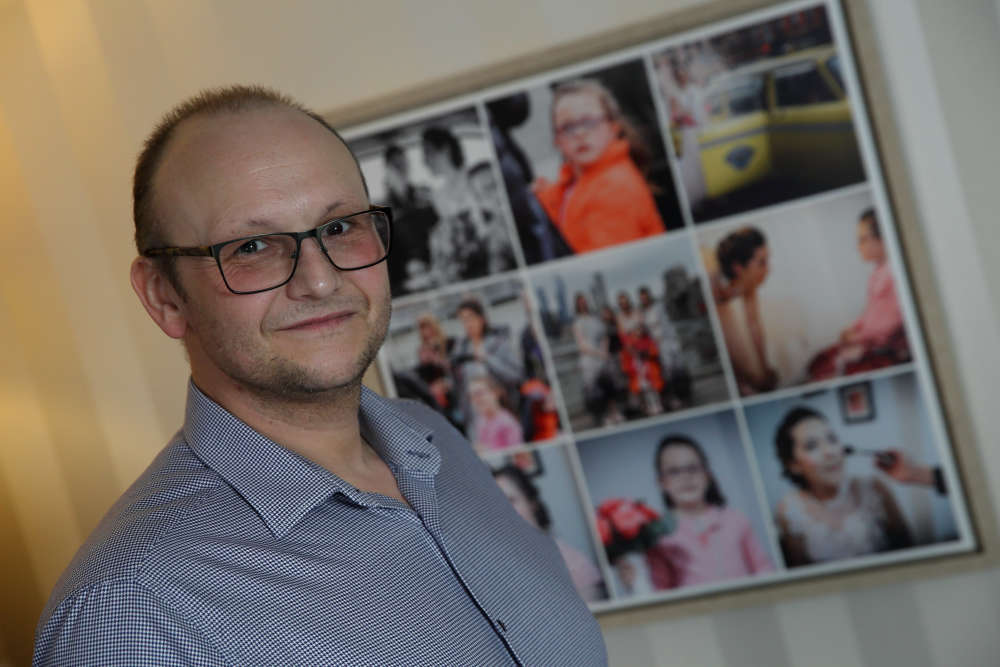
Phil Woodford, a stroke survivor and former NHS director, became a campaigner for 24/7 thrombectomy availability in Lancashire and South Cumbria after he was denied the procedure in 2016.
He suffered a major stroke while already an in-patient at the Royal Preston – and yet still could not get a thrombectomy, because he fell ill on a Sunday. He subsequently had to learn to walk and talk properly again – and was ultimately left with weakness down one side of his body, in spite of months of intensive physiotherapy.
Reacting to the news that the service will finally be available to patients whenever they need it, he said: “While it’s too late for those that have needlessly died or been left with unnecessary lifelong disability as a result of this shameful postcode lottery, this service expansion is very welcomed and will help to ensure improved stroke care for the people of Lancashire and South Cumbria.
“I applaud the hospital trust for now investing in the service.”
As the LDRS revealed last summer, the NHS Lancashire and South Cumbria Integrated Care Board (ICB) had called on Lancashire Teaching Hospitals NHS Foundation Trust (LTH) – which runs the Royal Preston – to introduce the 24-hour service by October 2025, if possible. However, an ICB meeting heard that the beginning of February 2026 was the only guaranteed start date.
A spokesperson for LTH said next week’s expansion followed “extensive planning and recruitment”.
They added: “Every minute counts in acute ischemic stroke care. Mechanical thrombectomy can dramatically reduce disability and improve survival when performed promptly in the right patients.
“Delays in treatment can lead to irreversible brain damage, so rapid decision-making and transfer are essential. Timely access to thrombectomy significantly improves patient outcomes, reducing long-term disability and mortality.”
ICB medical director Professor Andy Knox added: “This is an important development for the people of Lancashire and South Cumbria – and something our colleagues at Lancashire Teaching Hospitals have worked hard to see realised.
“It is vital that people who are having a stroke get the best care, in the most effective way, no matter what time of day or night. This 24/7 service will save lives and lead to significantly improved outcomes for people across our area.”
LTH is one of three specialist centres in the North West commissioned to provide a thrombectomy service.
It has, on occasion, been possible to transfer Lancashire and South Cumbria patients in need of the procedure to those other centres – in Greater Manchester and Liverpool – during times it has been unavailable locally. Salford Royal and The Walton Centre have offered thrombectomies around the clock since 2022.
What is a thrombectomy?
Thrombectomy is a treatment for ischaemic stroke that removes a blood clot from a blocked blood vessel in the brain using a special device. A wire is carefully inserted into a blood vessel in the groin and moves up to the brain to pull the clot out.
That allows doctors to reach and remove clots that are too large to be broken down by clot-busting thrombolysis medication.
Thrombectomy should be carried out as soon as possible after a stroke. It is most effective when performed within the first few hours of symptoms starting, but can be done up to 24 hours after a stroke if doctors think it will benefit the patient.
By removing the blood clot and restoring blood flow to the brain, the procedure helps reduce brain damage. This means that fewer brain cells die, lowering the chance of serious disability.
Recovery after thrombectomy is different for everyone. Some people notice an improvement quickly, while others need more time and support. Stroke rehabilitation such as physiotherapy, speech therapy, or occupational therapy can help regain skills and independence.
Source: Stroke Association
 Preston North End duo hear the stories behind the Big PNE Sleep Out
 Volunteers’ feedback driving change at NWAS
 Three months of disruption for drivers in Leyland
 Preston MP appeals for government help on city venue
 Lancashire SEND assessment backlog slashed
 Preston school parking ban extended
 The Harris welcomes new intern through DFN Project SEARCH programme
 Preston empty homes brought back to life