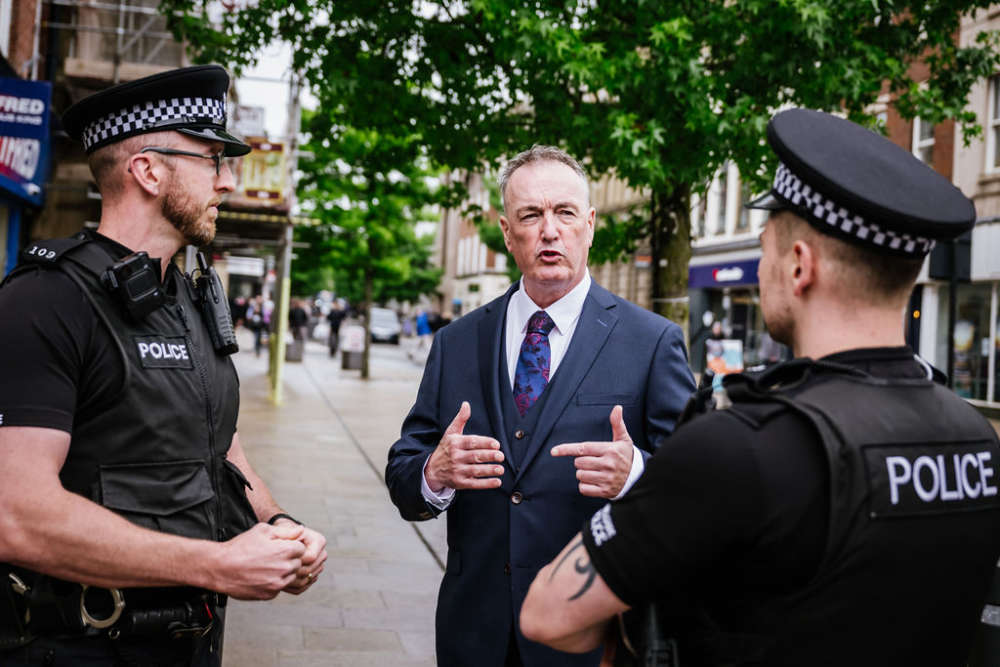
Government plans to slash the number of police forces must not damage the relationship between local communities and the officers who serve them, the man who oversees Lancashire Constabulary has warned.
Lancashire Police and Crime Commissioner Clive Grunshaw was speaking just before a radical overhaul of policing was announced by the government on Monday. He said police work must “remain rooted” in local areas.
Amongst the plans laid out by Home Secretary Shabana Mahmood was a proposal to cut the current 43 individual forces across England and Wales to as few as 12 in order to create a more streamlined and effective service – with comparable capabilities in each area.
She said the “varying sizes” of the current force network – with some organisations having 1,000 and others over 8,000 officers – meant that the smaller ones were not equipped to handle the most “complex investigations”. Lancashire Police employed around 3,600 officers as of March 2025.
A national force will also be established to deal with serious organised crime, fraud and to take the lead on counter-terrorism, a responsibility that now rests with the Metropolitan Police.
The police reform white paper, published along the Home Secretary’s statement in the Commons, does not specify which forces could be merged under the changes. A review will now be launched to determine what Ms. Mahmood described as “the precise nature…and the precise number” of new force areas, with the outcome due in the summer.
However, the document does contain a commitment to the creation of Local Policing Areas, with a remit to maintain a focus on neighbourhood policing. Those units will tackle the “epidemic of everyday crime”, according to the Home Secretary’s blueprint, while the new “regional” forces will focus on “specialist investigations” in their areas.
The widely-trailed local policing proposal was welcomed by Labour’s Mr. Grunshaw, but he issued words of caution about the potential impact of the wider restructure on Lancashire.
Speaking to the Local Democracy Reporting Service (LDRS), he said: “The overriding aim of police reform must be to raise standards and strengthen public trust. I welcome the white paper’s focus on neighbourhood policing and the potential for a National Police Service to improve consistency and performance.
“However, policing must remain rooted in the communities it serves. In Lancashire, strong local relationships and accountability are key to what works, and that must not be lost through larger structures that risk adding cost or complexity.
“Any consideration of merging police forces must be driven by clear evidence that it will improve outcomes for the public.
“Policing also needs sustained investment in technology and data to tackle modern crime, alongside properly resourced neighbourhood teams. It is vital that locally commissioned services for victims, prevention and offender management are protected.
“My priority is keeping the people of Lancashire safe and feeling safe. I will continue to work constructively with government and partners to ensure policing reform strengthens local accountability and keeps the voices of Lancashire residents and victims at its heart,” said Mr. Grunshaw who was Lancashire’s Police and Crime Commissioner between 2012 and 2021, before being re-elected to the role last year. His own post – along with that of his counterparts nationwide – is set to be abolished later the decade under separate government plans.
Meanwhile, the Lancashire Police Federation – the body that represents rank and file officers up to the role of chief inspector – is staying tight-lipped about its thoughts on the proposed reduction in force numbers. The organisation told the LDRS – prior to the Home Secretary’s statement to the Commons on Monday afternoon – that it was unable to comment.
The suggested number of just a dozen new regional forces nationwide indicates Lancashire would be likely to join up with at least three other existing areas.
It comes 20 years after an aborted bid to merge the Lancashire and Cumbria constabularies. That move flowed from a similar shake-up proposed by Tony Blair’s government back in 2005.
In order to head off the prospect of a three-way tie-up – which would also have drawn in Merseyside Police – Lancashire and Cumbria became the only forces in the country to actively engage with the process and make a formal submission to ministers the following year for a merger between just the two of them.
However, the plan was derailed by the implications for a council tax cap in place at the time which would have had to be breached in order to cover the costs of the new arrangement.
At the time, Lancashire Police’s then Acting Chief Constable Steve Finnigan said the ultimately insurmountable hurdle was “galling”, because 10 months of work had been put in before the Home Office pulled the plug on the proposal. The nationwide changes were also later dropped.
 Preston North End duo hear the stories behind the Big PNE Sleep Out
 Volunteers’ feedback driving change at NWAS
 Three months of disruption for drivers in Leyland
 Preston MP appeals for government help on city venue
 Lancashire SEND assessment backlog slashed
 Preston school parking ban extended
 The Harris welcomes new intern through DFN Project SEARCH programme
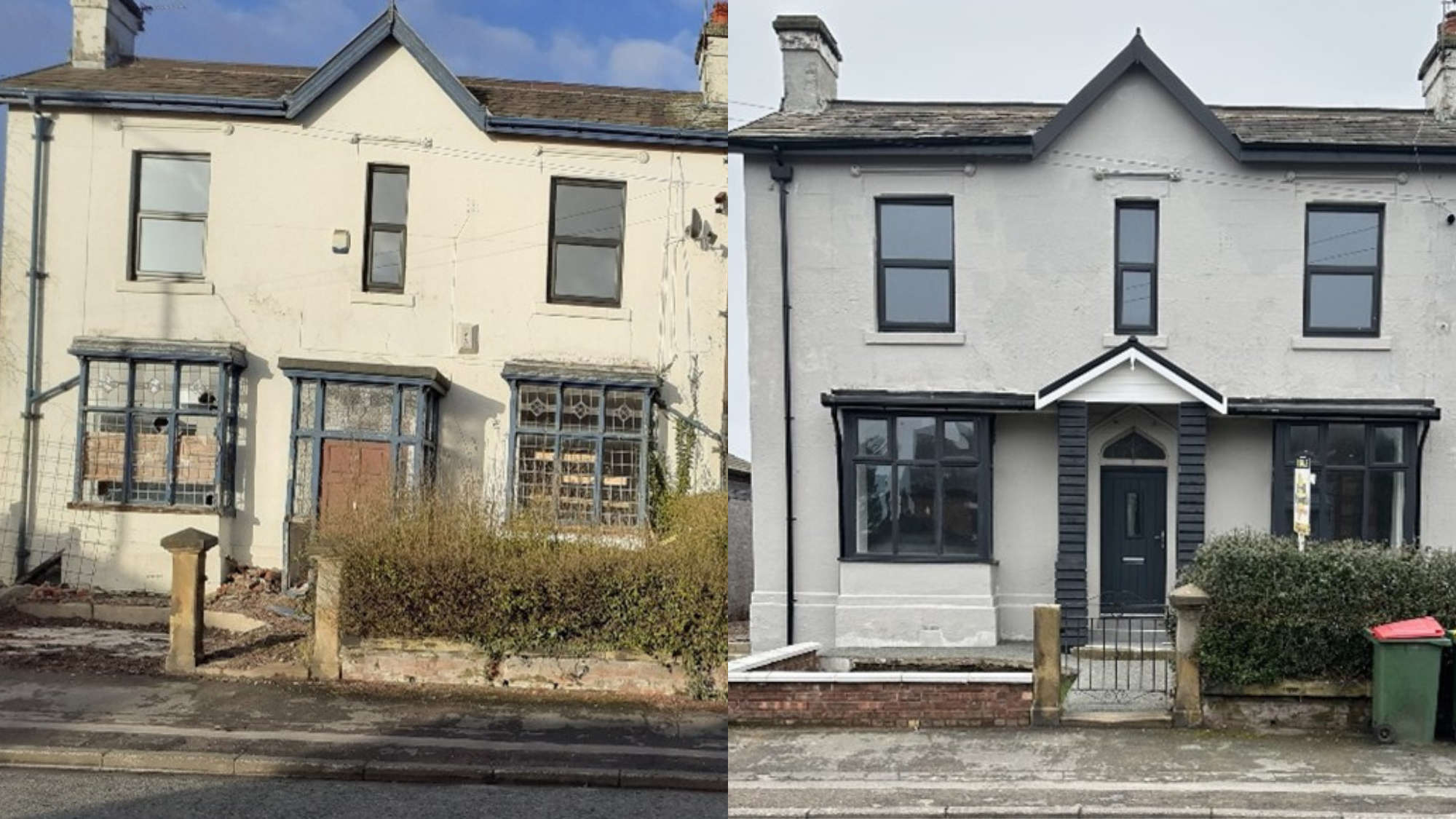 Preston empty homes brought back to life