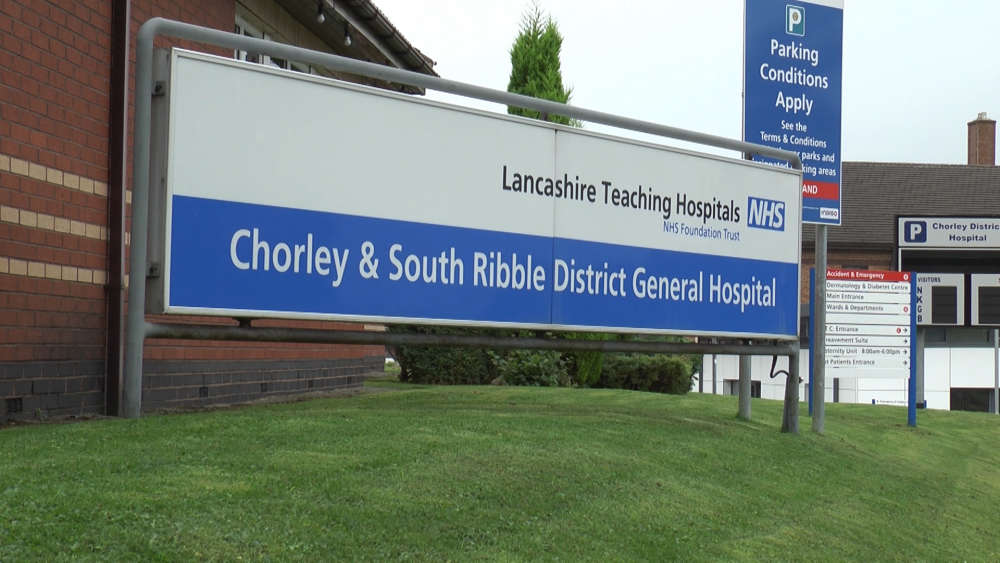
Lancashire NHS bosses are staying tight-lipped about the likelihood of Chorley and South Ribble Hospital’s A&E department reopening 24 hours a day – after the government revealed local leaders were considering “evidence” for the move.
It emerged earlier this month that a feasibility study had been conducted into restoring a round-the-clock service at the facility, which has been operating part-time for almost a decade.
A question-and-answer session in the Commons heard that the findings were being assessed by the Lancashire and South Cumbria Integrated Board (ICB).
However, when asked about that process, the organisation – which is responsible for commissioning health services in the region – pointed instead towards its implementation of long-term national plans to reduce the number of people requiring emergency care in the first place.
Meanwhile, campaigners who have spent the last 10 years calling for the reinstatement of a 24-hour emergency department at the Euxton Lane site have warned that it would have to be fully staffed and properly funded before it would win their backing.
The now former health secretary, James Murray, said in Parliament on 14th July that the feasibility study – carried out by Lancashire Teaching Hospitals NHS Foundation Trust (LTH), which runs Chorley Hospital – had concluded that there was “an evidence-based case to explore extending to a 24-hour emergency department”.
“This work is now being developed with the ICB [the Lancashire and South Cumbria Integrated Care Board],” added Mr. Murray, who has since been replaced in his role by Yvette Cooper.
The ICB did not immediately respond to a request for comment on the issue, but has since given the Local Democracy Reporting Service (LDRS) a statement which suggests that any changes to Chorley A&E would only be considered as part of a wider, ongoing review of urgent and emergency care across the county.
Craig Harris, the ICB’s chief commissioning officer, said: “We recognise that urgent and emergency care services are a fundamental part of our health and care system. We are working closely with Lancashire Teaching Hospitals NHS Foundation Trust and NHS England to make sure we have a shared approach to any decisions around the future of accident and emergency departments and that they are in the best interest of the local population.
“The ICB has an urgent and emergency care five-year strategy which started in 2024 which focuses on delivering care in the community that is proactive, high quality, and closer to home. This aligns with the 10-year health plan set out by Government.
“The strategy guides how we transform our urgent and emergency care services, both clinical and non-clinical, up to 2029 to enable people to easily access the right care and support which meets their needs.
“We are committed to a mid-term review of the strategy, starting with the Central Lancashire area, to understand the impact of the progress being made to shift to community and neighbourhood-based prevention and working with partners on the intelligence, data and partner feedback on demand for services . The review will help inform any future decisions about urgent and emergency care in Lancashire.”
Chorley A&E closed completely in April 2016 amid staff shortages, before moving to part-time operation the following January. The 8am-8pm service established at that point remains in place today.
James Murray’s comments in the Commons a fortnight ago came in response to a question by South Ribble MP Paul Foster who claimed that NHS England was “blocking” 24-hour opening, something the body later denied.
The feasibility has not been published.
‘We want our A&E back, but we want it safe’
After 10 years of trying to secure the reinstatement of a round-the-clock A&E facility at Chorley Hospital, local campaigners are clearly not afraid of bedding down for a long fight.
They have also become accustomed to false dawns – so perhaps it is no surprise that they greet any potential progress towards achieving their aim with more than a hint of caution.
Responding to the revelation that a feasibility study into 24-hour opening has been completed, Jenny Hurley – who has been at the forefront of the decade-long campaign – said “the devil will be in the detail”.
“Of course, [we] want nothing more than to have the A&E open 24/7 at the Chorley site – it’s the very service that started the campaign against cuts to services.
“Without having [seen] the study, it’s difficult to fully comment – but we have a few questions we’ll be posing to [LTH] and the ICB,” Jenny told the LDRS.
Chief amongst them, she said campaigners would want “assurance” that the staff shortages that caused the initial downgrading of the service a decade ago had been wholly resolved before the doors reopened overnight – and that there were the “fully qualified staff…banded and trained to required levels” who would be needed to operate the unit “safely”
“We don’t want a repeat of the reopening during Covid with a purely political decision being taken over the safety of staff and patients alike,” Jenny said.
That was a reference to a row that occurred in winter 2020 when the A&E began to welcome patients once again after a seven-month-long full closure caused by the onset of the pandemic – which 17 consultants branded “unsafe”.
Jenny also warned that any return to 24-hour A&E operation must not result in an increase in “corridor care” – noting that the hospital “has the extra beds needed for a higher footfall in the emergency department”.
She added that the core accident and emergency service and “all supporting services” must be fully funded.
“If there isn’t any more funding, we’ll see other services cut to balance the books. We shouldn’t be stealing from Peter to pay Paul.”
Back in April, the campaigners marked a decade of weekly demonstrations at the gates of the hospital, the first of which – arranged in the space of a few days – attracted more than a thousand people.
Ten years on – and with attendance now at around 15-20 – their core demand has remained the full-time return of the A&E.
However, their focus has also widened to turn a spotlight on the potential loss of any health services in Central Lancashire that they perceive to be under threat.
To that end, Jenny says they have had to become self-taught experts in issues she freely admits the group knew “nothing about” when it began in 2016 – and members are now a routine fixture in the audience at the ICB’s public meetings, having established themselves during the days of its predecessors.
“[We are] trying to stop having these services filtered out from our hospitals – and we walk into that room and they know they’ll be held to account. It really makes a difference,” she said.
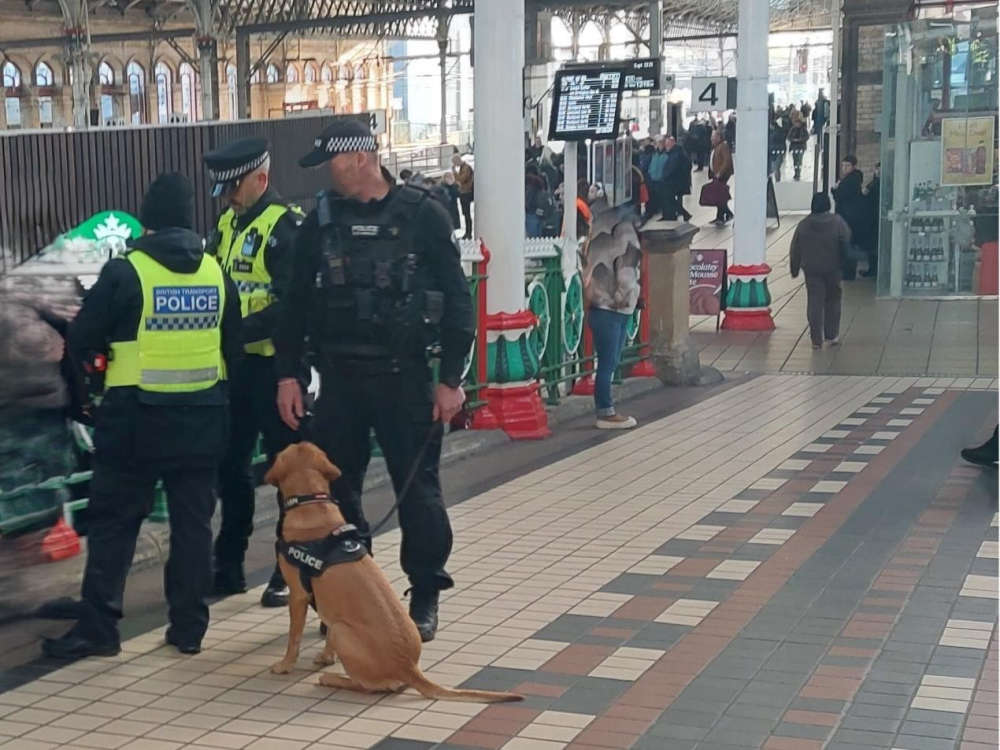 Operation targets County Lines drug activity across Preston
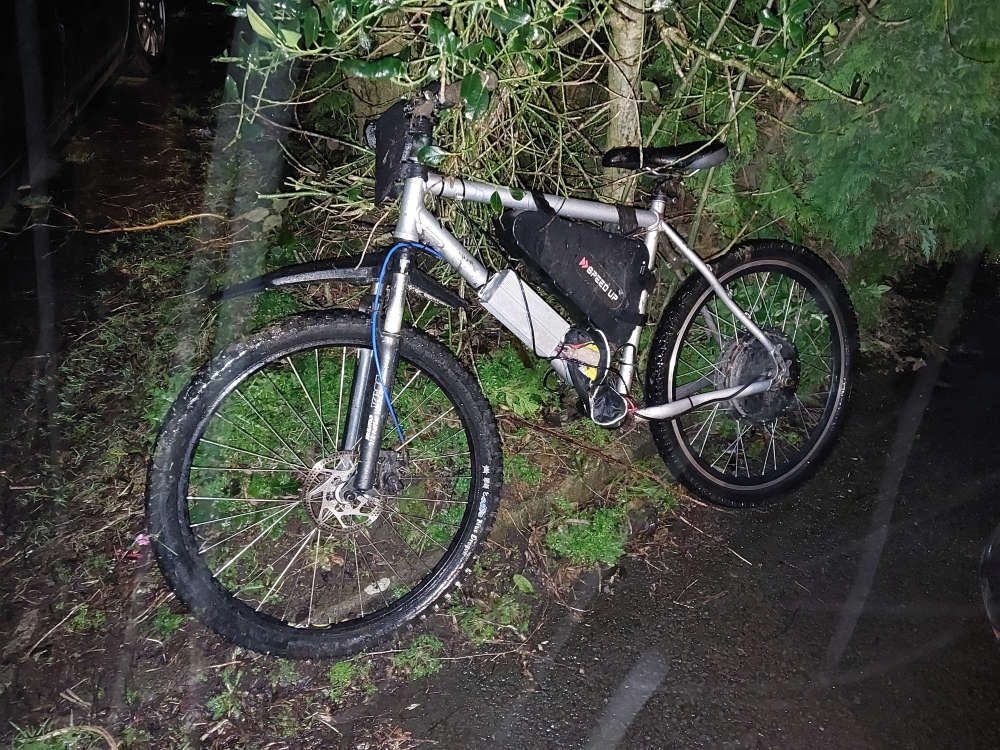 New e-bike law as Lancs leads crackdown
 Preston station cash secured
 ‘Fake or Real? Know the Deal’: Lancashire Police tackles growing deepfake threat
 Council leaders react to delays in Local Government Reorganisation plans
 Plans for local government reorganisation in Lancashire paused
 New road rules for new-look Preston city centre
 Council to end role coordinating refugee resettlement schemes